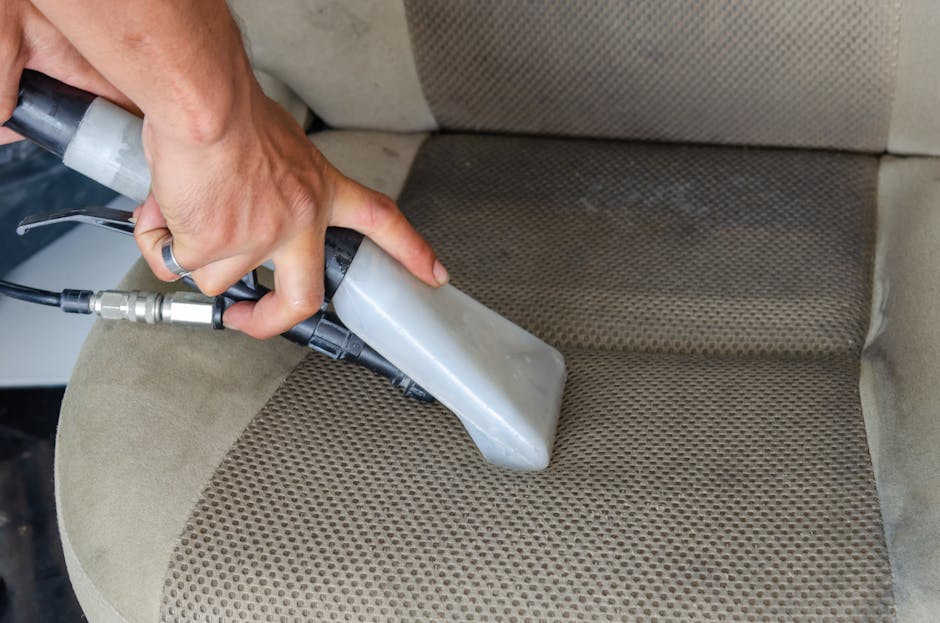
Same day upholstery cleaning Church End Tally Ho area: fast help when your furniture cannot wait
If a sofa has picked up a fresh stain, a dining chair has been splashed before guests arrive, or a well-used armchair is starting to smell a bit less than pleasant, you do not always have the luxury of waiting a week. That is where same day upholstery cleaning Church End Tally Ho area becomes genuinely useful. It is the practical, local, quick-response option for homes and businesses that need furniture cleaned promptly without turning the whole week upside down.
In real life, these jobs are often about timing as much as cleaning. A spilt coffee on a light-coloured fabric. A pet accident that needs dealing with properly. A rental property that needs to be presentable this evening, not next Tuesday. Same-day upholstery cleaning is designed for exactly those moments, and done well, it can restore both the look and the feel of a room far faster than people expect.
This guide explains how the service works, what to expect, where it makes sense, and how to get better results on the day. It also covers the small details that matter: fabric care, drying time, stain risks, and the kind of checks that help you avoid a rushed job becoming an expensive one. A bit of clarity goes a long way.
Why Same day upholstery cleaning Church End Tally Ho area Matters
Upholstery is one of those things people live with every day but rarely think about until something goes wrong. Then suddenly it is right in front of you. The stain on the sofa. The odour in the lounge. The dull patch on a favourite chair that was not there last month. Same-day cleaning matters because upholstered furniture can absorb spills quickly, and once liquid or grease settles into fibres, it becomes harder to remove cleanly.
There is also the practical side. In the Church End and Tally Ho area, people often need quick turnarounds because life does not pause for cleaning. Homes get busy. Rental changeovers can be tight. Small offices and waiting areas need to stay usable. A fast upholstery clean can stop a minor issue from becoming a bigger one, especially if you deal with the fabric soon after the spill.
Truth be told, timing often makes the difference between a straightforward refresh and a stain that needs a more involved treatment. That is why speed matters. Fresh marks are usually easier to lift, smells are easier to neutralise, and fabric pile can often be revived before it gets flattened in place. Leave it too long and the job gets trickier. Not impossible, just trickier.
If the problem is broader than one sofa or chair, it can also make sense to think about related services such as sofa cleaning, stain removal, or even pet stain and odour removal when the issue is less visual and more, well, nose-led. You know the smell. Nobody forgets that one.
How Same day upholstery cleaning Church End Tally Ho area Works
Same-day upholstery cleaning is usually a streamlined service built around fast assessment, suitable cleaning methods, and realistic drying expectations. The cleaner needs to understand the fabric, the nature of the mark, and how much time they actually have on site. That is the real difference between a rushed clean and a sensible same-day clean.
Most jobs follow a fairly simple sequence:
- Initial enquiry and quick triage. You explain the upholstery type, the issue, and when you need it completed. If a fabric is delicate or heavily soiled, a good cleaner will say so early.
- Fabric identification. The material matters. Microfibre, cotton blends, velvet, wool mixes, leather-look synthetics, and natural fibres all behave differently. Some can tolerate moisture better than others.
- Inspection and test. A small area is usually tested first, especially if the fabric has a history of dye bleed, water marking, or previous treatment.
- Pre-treatment. A suitable solution is applied to loosen soil, grease, or residue before the main clean. On a fresh stain, this stage can be especially effective.
- Extraction or controlled agitation. Depending on the fabric, the cleaner may use low-moisture methods, hot water extraction, or careful hand techniques. The aim is to lift dirt without over-wetting the upholstery.
- Spot treatment and grooming. Specific marks may need an extra pass. The pile or nap is then brushed or groomed so the fabric dries more evenly.
- Drying guidance. You are told how to ventilate the room and when the furniture is safe to use again.
A proper same-day service should never feel like a mystery operation with a spray bottle and hope. There should be a clear explanation of what can be done, what cannot be guaranteed, and what drying time to expect. If a provider is vague about that, tread carefully.
For customers who want a broader fabric-care solution, it can be helpful to look at upholstery cleaning in the round, or combine it with curtain cleaning if the room needs a more complete refresh. It is often the little things together that make a room feel properly revived.
Key Benefits and Practical Advantages
The main attraction is obvious: speed. But there is more to same-day upholstery cleaning than simply getting someone out fast. The practical benefits are a bit wider than that.
- Faster stain control. The sooner a stain is treated, the more likely it is to lift without a shadow or ring left behind.
- Better odour management. Fresh spills, food smells, pet incidents, and general damp odours can be addressed before they settle deeper into the fabric.
- Less disruption. A quick visit can fit around work, school runs, or a last-minute event. Useful, that.
- Improved appearance. Even when a stain is not fully removed, a good clean often restores colour depth and a more even finish.
- Longer furniture life. Dirt and residue can wear fibres down over time. Regular care helps upholstery last longer, which is better for the wallet and better for the room.
- Better first impressions. This matters in rental properties, guest spaces, salons, and waiting areas. A clean chair says more than people think.
There is also the emotional benefit, which people rarely mention but absolutely notice. A clean sofa or armchair just feels calmer to live with. You sit down, exhale, and stop being reminded of the spill every time you walk past it. Small win, big relief.
Expert summary: Same-day upholstery cleaning works best when the fabric is identified quickly, the stain is treated promptly, and drying is managed sensibly. Speed helps, but the right method matters more than the clock alone.
Who This Is For and When It Makes Sense
This service is not only for emergencies, although emergencies are certainly part of it. It makes sense for a wide range of people in the Church End Tally Ho area.
Households often need same-day help after food and drink spills, muddy fingerprints, pet accidents, or a pre-visit panic clean. If you have children, pets, or a pale fabric sofa, you probably already know the pattern.
Landlords and tenants may need a quick turnaround before checkout, inventory, or new occupants. Upholstery can make a property look cared for, even if the rest of the day has been a bit chaotic.
Businesses use same-day cleaning to keep reception seating, staff furniture, waiting rooms, and hospitality spaces presentable. In some settings, one marked chair can pull down the feel of the whole room.
Event hosts or people preparing for visitors often need a same-day fix because there simply is no room in the calendar. Let's face it, things go wrong right before people arrive. That is almost a law of nature.
It is also sensible when a stain is fresh, the fabric is still in decent condition, and you want to minimise the chance of permanent marking. If the upholstery is antique, heavily dyed, or badly damaged, the job may still be possible, but a careful assessment is essential before anything gets wet.
Step-by-Step Guidance
If you want the clean to go smoothly, a little preparation helps. Nothing dramatic. Just a few sensible steps.
- Identify the furniture and fabric if you can. If you know whether it is cotton, synthetic, velvet, wool blend, or leather, say so. If not, describe the texture and age. Even rough details help.
- Explain the problem clearly. Is it a wine spill, pet accident, food grease, body oils, general dullness, or odour? Different problems need different treatment.
- Share how urgent it is. Same-day does not always mean instant, so be direct about the deadline. A cleaner can only plan properly if they know the reality.
- Move small items away. Cushions, throws, ornaments, and any fragile bits should be cleared before the cleaner arrives.
- Check access and parking. In busy local streets, this saves a lot of awkward back-and-forth. It sounds minor, but it really helps.
- Ask what drying time to expect. You need to know when the upholstery can be used again, especially if it is in a main sitting room.
- Ventilate after cleaning. Open windows if appropriate, keep air moving, and avoid sitting on the fabric too soon. We all know how tempting that sofa is, but a bit of patience helps.
If the upholstery is part of a wider refresh, it may be worth pairing the appointment with rug cleaning or mattress cleaning. That way, the room starts to feel consistently fresh rather than just half-done. And half-done can look odd, frankly.
Expert Tips for Better Results
Good results are not only about what the cleaner does. A few smart choices on your side can make a noticeable difference.
1. Act quickly, but do not scrub wildly
If a spill is fresh, blot it gently with a clean, absorbent cloth. Do not rub hard. Rubbing pushes the material deeper and can distort fibres. People do it all the time, then wonder why the patch got bigger. Easy mistake, annoying outcome.
2. Avoid DIY chemicals before the visit
This one matters. Spraying household cleaners on upholstery can set stains, bleach dye, or create a residue that is harder to remove later. If you are waiting for same-day help, keep it simple and keep it dry.
3. Be honest about previous treatments
If the fabric has already been cleaned, spotted, or treated with a mystery spray from under the sink, say so. The cleaner needs the full picture to avoid using a method that reacts badly.
4. Ask for the safest method, not the quickest promise
Fast is good. Safe is better. A cleaner who understands fabric care will choose the right balance of moisture, agitation, and extraction. That is what protects the furniture and keeps the finish even.
5. Keep airflow in mind
Drying is not just a convenience issue. It affects odour, finish, and how soon the furniture can be used. A room with a bit of ventilation usually performs better than a sealed, stuffy one.
If you are particularly concerned about protection and professionalism, it is reasonable to review a provider's insurance and safety information and their general health and safety policy. That is not overcautious. It is sensible due diligence, really.
Common Mistakes to Avoid
Same-day service can be brilliant, but rushed decisions sometimes cause avoidable problems. These are the big ones.
- Waiting too long to call. If the stain has had hours to settle, the job becomes harder.
- Using too much water. Over-wetting can leave tide marks, slow drying, and even cause wicking, where soil rises back to the surface as the fabric dries.
- Ignoring fabric type. A method that works on one material may damage another.
- Choosing price alone. The cheapest option is not always the best value if the stain remains or the fabric gets damaged.
- Assuming every mark can be removed completely. Some stains are permanent or partly permanent. A trustworthy cleaner will say so plainly.
- Using the furniture too soon. It is tempting, yes. But using damp upholstery early can flatten fibres and bring back odours.
There is one more mistake worth mentioning: not asking how the provider handles complaints or follow-up concerns. A good company should be clear about that from the start. If needed, you should be able to check their complaints procedure and terms and conditions before booking. Not glamorous reading, perhaps, but useful all the same.
Tools, Resources and Recommendations
For readers planning a same-day clean, it helps to know what good practice looks like behind the scenes. You do not need to become a textile technician overnight, thankfully, but a few basics are worth understanding.
Common professional tools and approaches include:
- fabric-safe pre-sprays for loosening general soil
- careful spot treatments for food, drink, and body oil marks
- microfibre cloths for blotting and controlled drying
- low-moisture extraction equipment for suitable fabrics
- air movement and ventilation guidance to help drying
- soft brushes for grooming pile and restoring texture
Useful recommendations for customers:
- keep a note of the stain type and approximate time it happened
- take a quick photo before blotting if you want a before-and-after record
- move lamps, small tables, and decorations out of the way
- keep pets and children away from the area during treatment and drying
- ask for clear expectations on what can realistically be improved on the day
If your job is part of a wider property refresh, it may also help to understand related services such as carpet cleaning and steam carpet cleaning. Rooms often look best when the floor and furniture are treated with the same level of care. A bit obvious, but true.
For customers who like transparency around booking, take a moment to review pricing and quotes and payment and security. That way, there are fewer surprises and the process feels straightforward from the start.
Law, Compliance, Standards and Best Practice
Upholstery cleaning itself is not usually a heavily regulated service in the way that, say, construction or clinical work is. Even so, there are sensible standards and duties that reputable cleaners should follow. In the UK, that generally means working safely, using appropriate chemicals correctly, respecting customer property, and giving honest guidance about risks.
Best practice usually includes:
- identifying the fabric before choosing a cleaning method
- testing in a small area where needed
- using products in line with manufacturer instructions
- minimising unnecessary moisture
- avoiding cross-contamination between dirty and clean tools
- being transparent about likely outcomes and limitations
For commercial customers, there is often a stronger expectation around documentation, scheduling, and safe site conduct. If a reception area, office, or guest space is involved, it may help to review commercial carpet cleaning alongside the upholstery work so the whole area stays presentable and consistent.
Insurance also matters. If something is accidentally damaged during cleaning, proper cover and a clear process are reassuring. Nobody wants drama over a chair leg or a delicate seam. So yes, asking the right questions is not being difficult. It is being sensible.
Options, Methods, or Comparison Table
Different upholstery problems call for different approaches. Here is a simple comparison to help you think it through.
| Method | Best for | Advantages | Limitations |
|---|---|---|---|
| Low-moisture cleaning | Light refresh, routine soil, delicate timing | Often quicker drying, less saturation | May struggle with heavy, set-in stains |
| Hot water extraction | Deeper soil and general grime on suitable fabrics | Strong cleaning action, good for embedded dirt | Not suitable for every fabric, longer drying time |
| Targeted spot treatment | Fresh spills and localised marks | Fast, precise, cost-effective | May not address overall soiling |
| Odour-focused treatment | Pet accidents, smoke, food smells | Improves freshness as well as appearance | Odour source may not be fully removable if deeply set |
If you are unsure which option applies, a good cleaner will usually explain it in plain English. That matters. You do not need jargon. You need a practical answer.
Case Study or Real-World Example
Here is a realistic scenario, not a grand story. Imagine a family sofa in Church End that has picked up a fresh tea stain late in the afternoon. Guests are due the next day. There is also a light pet odour in one corner where the dog has been curling up for weeks. The upholstery is a synthetic blend, not especially delicate, but not something you want to flood with water either.
A same-day cleaner would typically inspect the fabric, test a small area, apply a targeted pre-treatment, then clean the visible stain and surrounding area so the patch blends naturally. If the odour is still present, a suitable deodorising treatment may be used alongside the clean. The room is then ventilated and the sofa is left to dry before use. Simple, but not rushed. There is a difference.
The important point is this: the family is not just chasing appearances. They want the room to feel comfortable again. Clean fabric, less smell, no awkward stain in the middle of the cushions. That is the real win. And honestly, that moment when the room looks normal again? It matters more than people admit.
Practical Checklist
Use this before and during a same-day upholstery booking:
- Identify the furniture piece and the fabric type if possible
- Note what caused the stain or odour
- Record when the problem happened
- Blot gently, do not scrub
- Avoid household cleaners unless advised
- Clear the area around the furniture
- Check access, parking, and arrival instructions
- Ask about drying time and when the furniture can be used again
- Confirm whether stain removal can be guaranteed or only improved
- Review relevant service, safety, and pricing information before booking
Quick takeaway: the best same-day upholstery jobs are the ones where everyone is clear on the fabric, the problem, and the outcome. That clarity saves time and usually gives better results too.
Conclusion
Same-day upholstery cleaning in the Church End Tally Ho area is a smart option when speed, presentation, and fabric care all matter at once. It is especially useful for fresh spills, odours, visitor-ready homes, rental properties, and busy local businesses that cannot wait for a standard appointment. Done properly, it can lift stains, improve freshness, and bring a room back into balance without unnecessary disruption.
The key is choosing a method that suits the fabric, being honest about the problem, and expecting a practical outcome rather than a magic trick. Some marks will disappear completely. Others will improve significantly, which is still a very good result. That is the honest, useful version of the service.
If you are comparing providers, look for clear guidance, sensible safety practices, transparent pricing, and a straightforward customer process. A little confidence at the start makes the whole thing easier. And yes, it really can feel that simple when the right approach is used.
Get a free quote today and see how much you can save.
Frequently Asked Questions
How quickly can same day upholstery cleaning be arranged in the Church End Tally Ho area?
It depends on availability, the size of the job, and the fabric type. Smaller, straightforward jobs are usually easier to fit in on the same day, especially if you contact the cleaner early.
What types of upholstery can usually be cleaned the same day?
Most common domestic fabrics can often be assessed and cleaned the same day, including sofas, armchairs, dining chairs, and stools. Delicate materials may need a more cautious approach.
Will the stain definitely come out?
Not always. Fresh stains are often easier to improve or remove, but some marks are permanent, especially if they have set, reacted with the fabric, or been treated with the wrong product already.
How long does upholstery take to dry?
Drying time varies by method, fabric, and room ventilation. Low-moisture techniques usually dry faster, while deeper extraction methods can take longer. Good airflow helps a lot.
Is same day upholstery cleaning safe for delicate fabrics?
It can be, if the cleaner uses the right method and tests a small area first. Delicate fabrics need more care and may not suit heavy moisture or aggressive agitation.
Can same day cleaning help with pet smells?
Yes, especially when the odour is fresh or localised. For stronger or older pet problems, a dedicated odour treatment may be needed alongside the clean.
Should I try to remove the stain myself first?
Only gently. Blotting with a clean cloth is usually safer than rubbing or using household cleaners. If you are unsure, it is better to leave it and let the cleaner assess it.
What should I tell the cleaner before they arrive?
Share the furniture type, fabric if known, the stain source, when it happened, any odour issues, and whether the upholstery has been treated before. The more accurate the information, the better.
Is same day upholstery cleaning suitable for businesses?
Yes. It can be a very practical choice for offices, waiting rooms, salons, and guest spaces where presentation matters and downtime needs to be kept short.
How do I know if a provider is trustworthy?
Look for clear communication, sensible safety information, transparent pricing, and a straightforward complaints process. If they are vague about methods or outcomes, that is usually a warning sign.
Can upholstery cleaning be combined with other services?
Often, yes. Many people book upholstery cleaning alongside carpet care, rug cleaning, or curtain cleaning so the room has a consistent finish rather than just one refreshed item.
What is the biggest mistake people make with same day upholstery cleaning?
Waiting too long and then using the wrong DIY product. A quick call and a careful approach usually work better than a last-minute scrub with something harsh from the kitchen cupboard.
For more background on the service and the company behind it, you can also review about us, recycling and sustainability, and privacy policy if you want to understand how customer information is handled. Small details, but they help build trust.